A vehicle wrap, briefly, is a printed vinyl film applied over a car's factory paint to change the color, finish, or graphics. In 2026 this is a multi-billion-dollar global category. Forty years ago it didn't exist. The path from there to here is a quick story worth knowing if you work in or around the industry, or are just curious about how the cars you see on the road got there.
Before vinyl: hand-painted graphics (pre-1990s)
For most of automotive history, anyone who wanted graphics on their vehicle (a name, a logo, a livery) hired a sign painter. The painter brushed enamel directly onto the panel. The result lasted, but it was slow and expensive. A fleet of delivery trucks took weeks to paint by hand.
Vinyl appeared in adjacent industries (windows, storefronts, sign shops) starting in the 1960s, but the films available weren't durable enough for vehicles. The adhesives broke down in sun. The films faded and cracked. Wrapping a car with 1970s-era vinyl was a six-month commitment, not a multi-year one.
For most of the 20th century, if you wanted a custom-painted car, you painted the car. There was no other option.
The first wraps (1990s)
The first true vehicle wraps emerged in the early-to-mid 1990s, driven by three things converging:
- Cast vinyl film matured. Cast vinyl (poured into thin sheets, conforms to curves, lasts in sun) became reliable enough to use on vehicles.
- Large-format digital printers became affordable. Printing a graphic at vehicle scale stopped requiring a commercial printshop.
- 3M launched Controltac, an adhesive layer that allowed installers to reposition the film during application without re-cutting it. This single innovation made full vehicle wraps practical for the first time.
The early adopters were fleets and racing. A 1996 NASCAR car wearing a sponsor's wrap was a marketing breakthrough; the same paint job by hand would have cost twice as much and taken weeks.
Buses, taxis, and delivery vans followed. By the late 1990s, the wrap was a real category in the fleet-marketing world.
The color-change era begins (2000s)
Through the 2000s, vinyl manufacturers (3M, Avery Dennison, Hexis) started producing solid-color vinyls specifically for full-vehicle color changes, rather than graphics applications. The use case shifted from “put a logo on a truck” to “change a car's color without painting it.”
Why this mattered:
- A wrap is removable. The owner can change colors without affecting resale.
- A wrap protects the paint underneath. Removing it years later reveals factory paint.
- Wraps could deliver finishes (satin, matte, color-shift) that car paint at the time couldn't.
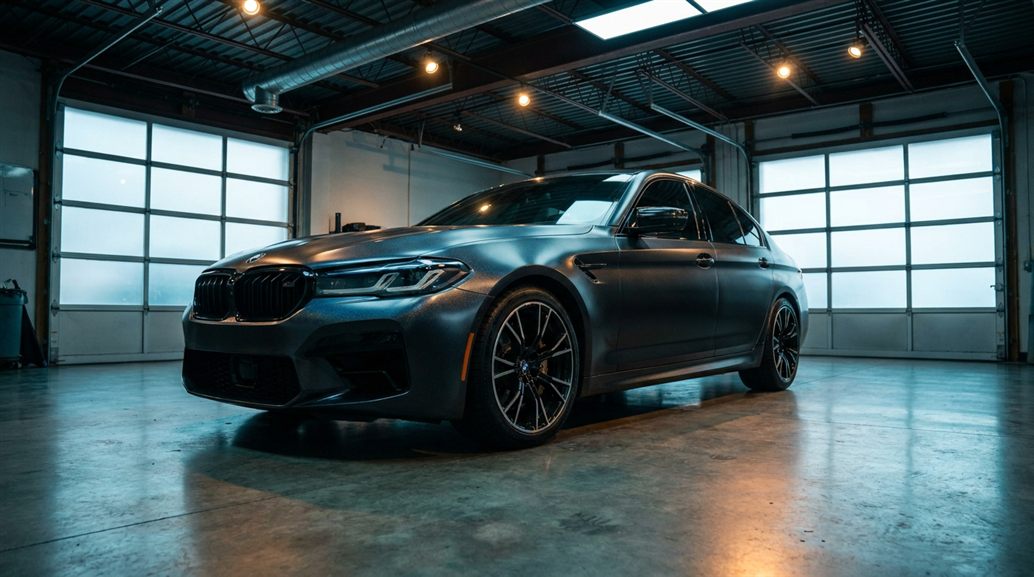
The first big consumer wave hit in the mid-to-late 2000s, mostly on luxury and sports cars. Lamborghinis in matte black. M3s in satin gunmetal. The look became aspirational and visible.
The 2000s turned wraps from a fleet tool into an aesthetic choice.
The matte black moment (2010-2015)
One specific finish defined the decade: matte black. A combination of three factors made it iconic:
- Matte black wasn't available as factory paint on most cars (paint suppliers struggled with mattes that held up). So a matte-black car was visibly custom.
- The internet (especially YouTube and early Instagram) made wrap shops globally famous. A great install in Berlin reached a fan in Texas in hours.
- High-profile cultural moments (movie cars, athlete cars, Instagram celebrity cars) put wraps in front of everyone.
By 2015, wraps had moved from “exotic enthusiast option” to “real consumer choice.” Local wrap shops became a fixture in most cities.
The finish explosion (2015-2020)
The next phase was about variety. Vinyl manufacturers released:
- Color-shift films (Avery ColorFlow, KPMF's range, 3M's Flip series): a car looks one color from one angle and another from another
- Chrome films, even though installation difficulty kept them niche
- Brushed metal, carbon fiber-textured, and pearl finishes that mimicked materials beyond paint
- Designer custom prints: a customer could supply artwork and have it printed onto vinyl
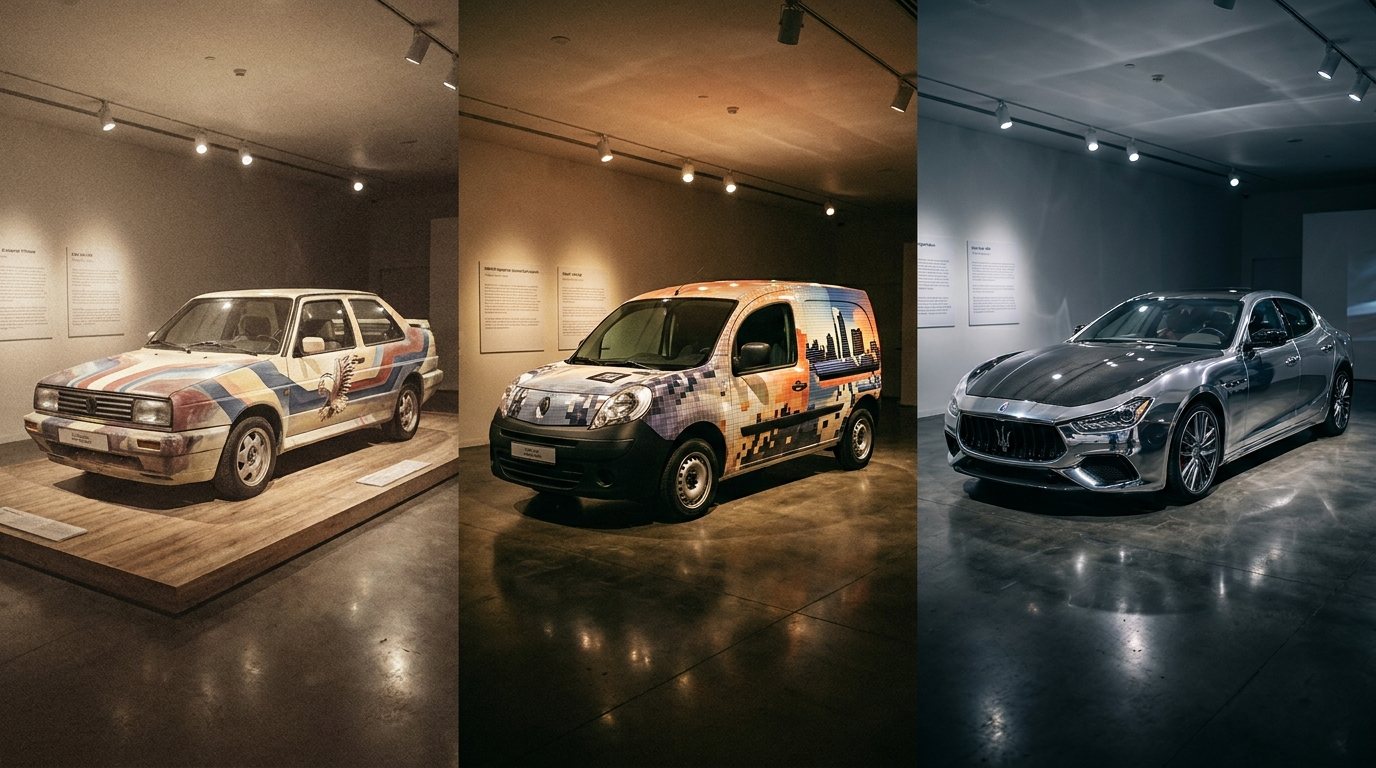
The category fragmented in the best way. Where 2010 was matte black, 2020 was “pick any finish you can imagine.”
In a decade the choice went from one color to thousands. The hardest part of buying a wrap stopped being availability and started being decision.
The visualization era (2020-2026)
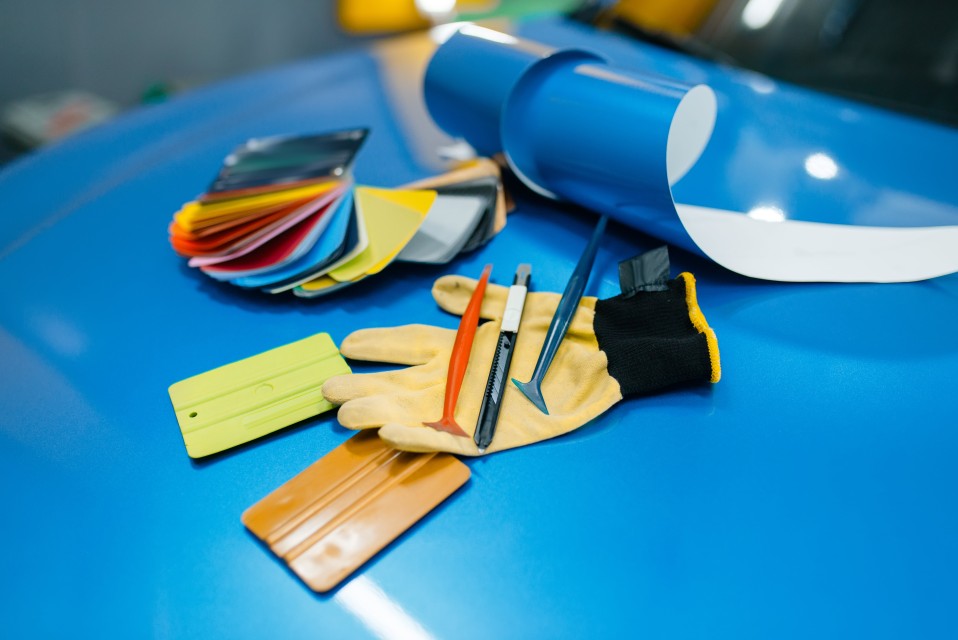
With unlimited finish choice came a new problem: customers couldn't decide. A 2-inch swatch is a terrible decision tool for a four-figure purchase. Shops watched customers stall on color choice for weeks.
Around 2020, 3D visualization tools matured to the point where a shop could show a customer their actual car in candidate finishes in 30 seconds. The decision time collapsed. Close rates climbed. The customer who saw their car wrapped on screen was the customer who put down a deposit.
By 2026, 3D visualization isn't a special feature, it's a baseline expectation for any wrap shop competing on customer experience. Tools like Zeno turned a guessing-game consultation into a confident decision.
Meanwhile, brands at the top of the market (Ford, Avery Dennison) started building OEM-grade visualization programs that customers could use without ever walking into a wrap shop. See the Ford wrap program for one example.
The 2020s turned wraps from a customization category into a configured one. The customer designs the car they want before any vinyl gets unrolled.
Where it's heading
The wrap category in 2026 is mature enough to have predictable trends and unpredictable surprises. Worth watching:
- Lifespan keeps climbing. Premium cast vinyls now warranty 7-10 years; that bar will keep rising.
- AI-driven visualization makes “show me my car wrapped” a phone-camera operation, not a shop visit.
- OEM-direct programs (Ford, others) blur the line between “factory paint” and “wrap.”
- Subscription customization (rotate wraps every 1-2 years as part of a lease-like service) is starting to appear as a category experiment.
- Sustainability is becoming a real conversation. Older vinyls were not recyclable. Several manufacturers are now developing recyclable and bio-based films.
Why the story matters
For someone considering a wrap today, knowing the history helps in one specific way: the technology you're buying in 2026 is dramatically better than the technology even five years ago, and the bar will keep rising. The shop offering “the same vinyl we've always used” is a shop still in the 2010s. The shop showing you your specific car on a tablet, in three finishes side by side, is the shop running the 2026 playbook.
For someone working in or around the industry, knowing the history clarifies the trajectory. Every five years the category transforms. The transformation in the next five (visualization plus AI plus OEM-direct programs) is the biggest yet.
The wraps you see on the road in 2030 will look back at 2026 the way 2026 looks back at 2010. A different industry, made by the same kind of people.