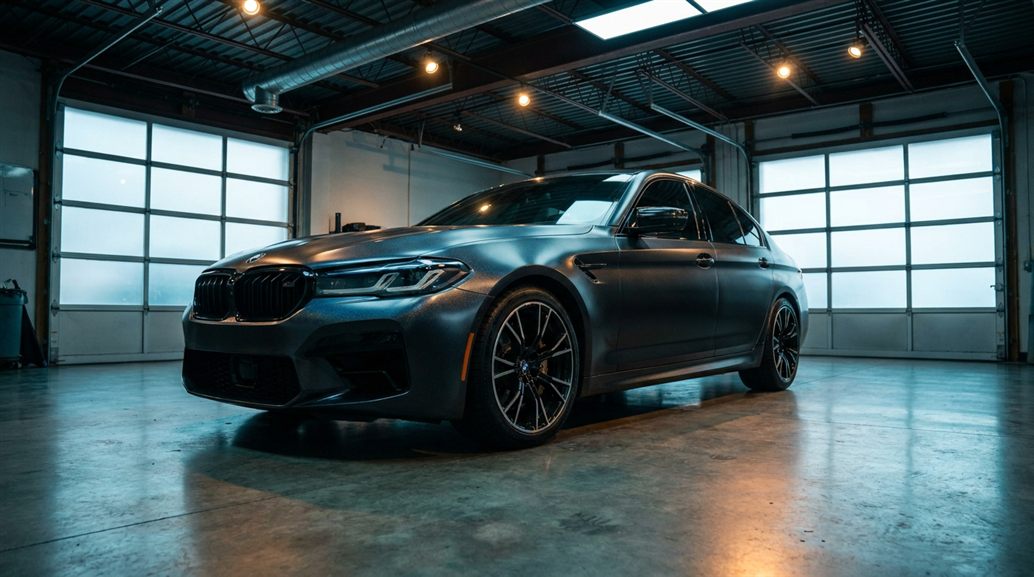
Direct-to-consumer has been the holy grail for automakers for the last decade. The pitch is obvious: the customer is on the brand's website anyway, the brand owns the product, the dealer takes a margin that could be the brand's instead. Most attempts have failed.
The few that have worked share a handful of design choices that most other programs miss. This is the inside view of why DTC is harder than it looks, and what the winning programs do differently. (Quick definitions for anyone not deep in the language: an OEM is the carmaker itself; DTC means selling straight to the buyer without going through the dealer network.)
The obvious appeal
DTC sounds straightforward. The customer wants something the OEM sells. The OEM has the product, the brand, the website. Cut out the middle layer, sell straight to the customer, capture the dealer margin yourself.
In other industries (apparel, electronics, mattresses), this model has worked. In automotive, it mostly hasn't. Three reasons sit underneath the failures.
Failure mode 1: the dealer war
Dealers are independent businesses. They sell the OEM's cars, but they aren't the OEM. They have lobbying power. In the US, every state has franchise laws that make it hard for an OEM to compete directly with its own dealer network.
When an OEM launches a DTC accessory or customization program, the dealer network usually pushes back, sometimes legally. The OEM gets pulled into a fight with the channel that sells most of its cars.
The OEMs that win at DTC don't try to disintermediate dealers. They build programs that route fulfillment back through the dealer or through a complementary network the dealer is comfortable with.
The DTC programs that survive are the ones the dealer network has a reason to support.
Failure mode 2: building the wrong product
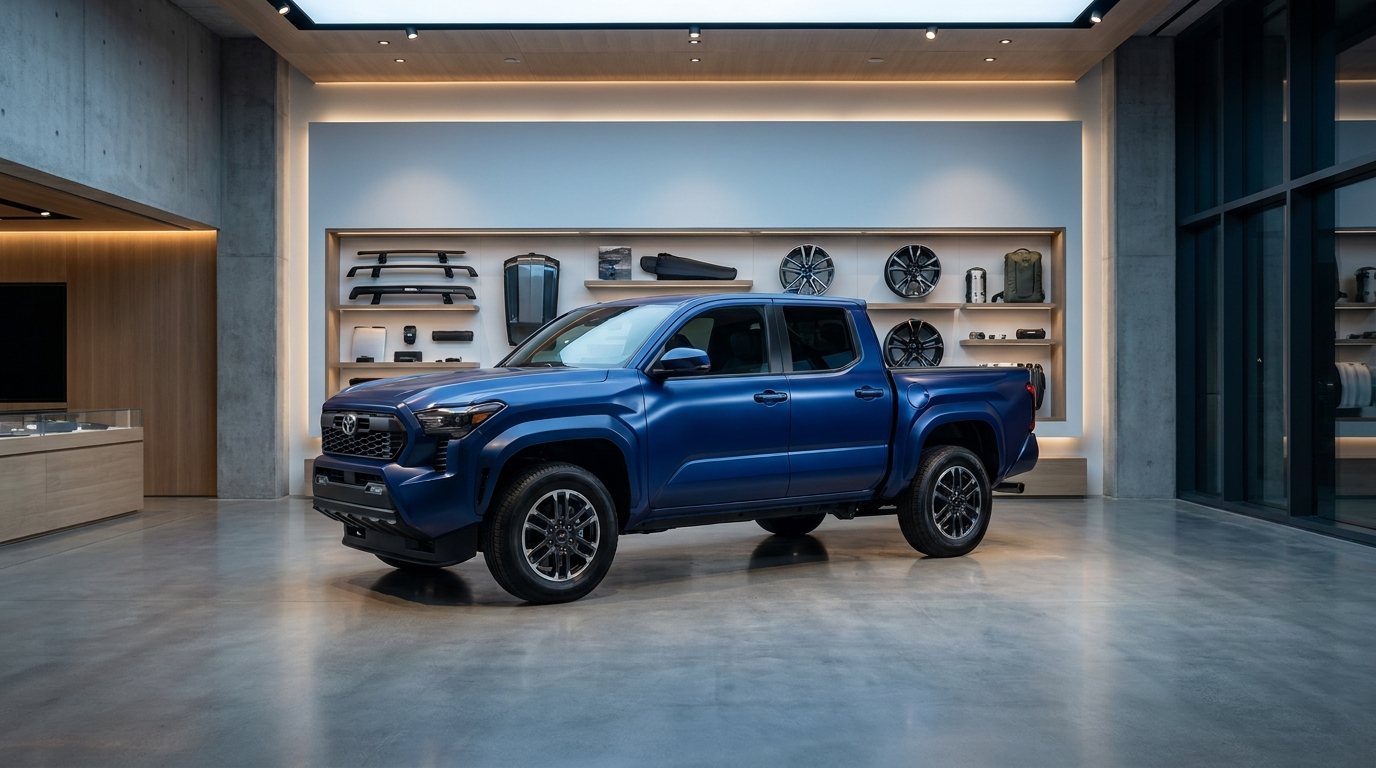
OEMs often launch DTC programs around products that don't actually want to be DTC. Floor mats. Roof racks. Branded apparel. The customer doesn't go to Ford.com to buy a floor mat. They buy it from Amazon or the local parts store.
The products that work direct-to-consumer have one of three properties:
- They require OEM authentication to feel valuable (limited-edition badges, factory-certified parts, performance upgrades)
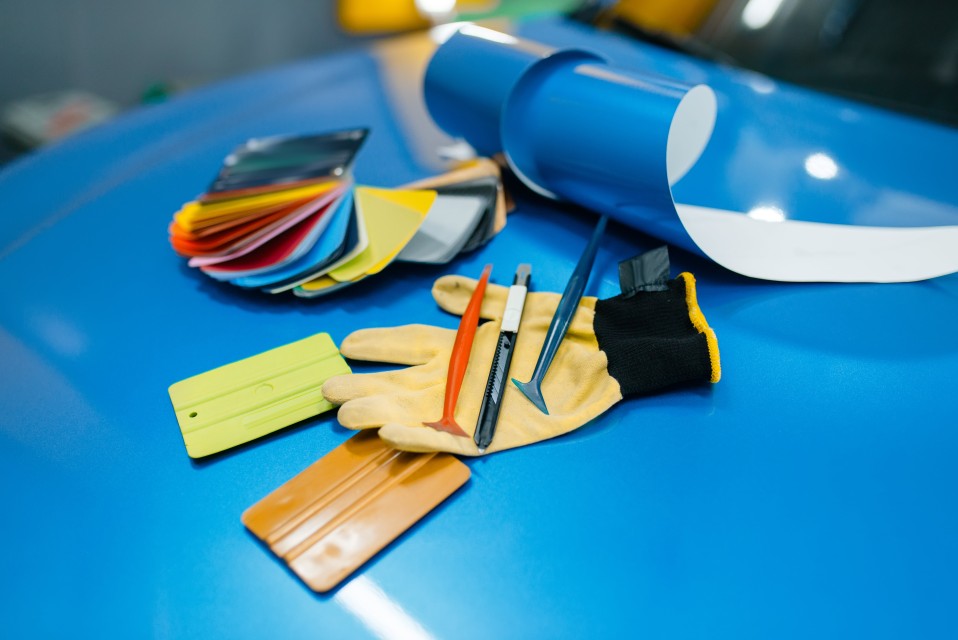
- They benefit from OEM-level visualization that smaller retailers can't replicate (custom wraps, full body kits, paint protection)
- They involve services the dealer doesn't currently offer (subscription customization, factory restoration, performance tuning packages)
Floor mats fail all three tests. Custom wraps pass all three.
A DTC product needs a reason the customer must come to the OEM. If a third-party retailer can sell it as well, the DTC program is undifferentiated.
Failure mode 3: underbuilding the digital experience
An OEM that wants to sell custom wraps DTC has to build a website experience that's better than a third-party wrap-shop website. Specifically: visualization the customer can use, configuration that feels native to the brand, real prices, real delivery timelines, real installation logistics.
Most OEM DTC attempts launched with a product page that looked like a print catalog from 2014. The customer compared it to the third-party experience and bounced.
The winning programs invested seriously in the digital build: photoreal visualization, configurators that show the customer's actual vehicle in the actual product, an installer network the OEM controls and that meets OEM quality bars. See the Ford wrap program for an example of what this looks like at scale.
The DTC experience has to be visibly better than the third-party experience. “Same product, OEM badge” doesn't move customers.
What the winning programs do differently
The DTC programs that have actually worked over the last decade share four design choices.
1. They route, not bypass
The order is placed on the OEM site. The fulfillment routes through a certified dealer or installer. The OEM owns the customer experience and the brand standard; the dealer/installer owns the physical work and keeps the install margin.
Everyone has a stake. Nobody is being cut out.
2. They productize a service, not a product
“Buy a wrap for your truck through Ford” is a service offering with multiple components: visualization, material selection, installation, aftercare, warranty. The OEM productizes the service end-to-end. The customer pays for the experience, not just the materials.
3. They commit to the digital build
The visualization, the configuration flow, the inventory accuracy, the order management, the installer matching, the post-install care, all of it has to feel premium. The OEMs that win invest at the same level they invest in their car-buying website.
4. They start narrow
The wrong move is to launch a DTC marketplace with hundreds of products. The right move is to launch one well-built program (one product category, one well-defined customer segment) and expand only after the first program is humming.
Ford launched the wrap program around a focused use case. Once that worked, the framework expanded to adjacent customizations. That's the model.
Pick one product, build the program around it, expand once it's working. Multi-product launches almost always fail.
The visualization piece
One specific reason DTC works for custom wraps and customization where it doesn't work for floor mats: the customer can't picture the product without help.
A floor mat is a floor mat. Six photos and you know. A custom wrap is the customer's car in a new finish, which the customer cannot imagine without seeing it. The OEM with a great visualizer can do something nobody else can.
This is the surface where OEMs have a structural advantage. They have the official 3D models of every vehicle they sell. They have the brand authority to define which materials are “approved.” They have the certified network to install at standard. The visualizer they build can be more accurate, more comprehensive, and more trustworthy than any third-party tool.
Where the OEM has a structural advantage, DTC works. Where they don't, it doesn't.
The five-year view
Where this is heading:
- OEM-controlled wrap and customization programs will become a standard line item, not a special initiative
- The certified installer network will be a real third channel alongside dealers and service centers
- Subscription-based customization (rotating wraps, seasonal accessories) will emerge for a subset of buyers
- The OEM's digital twin (the 3D library of every vehicle, every option) becomes the backbone of the customer experience, not just an internal asset
The OEMs that build these capabilities in 2026-2027 will lead the segment in 2028-2030. The ones that wait will be competing against established programs.
What this means for an OEM strategy team
If you're inside an OEM working through this question right now:
- The dealer relationship is a constraint, not an obstacle. Design the program to route through the dealer, not around it.
- Pick one product to launch with. Custom wraps and factory-certified customization tend to be the highest-leverage starting point.
- Invest in the visualization layer first. A great visualizer is the difference between the program working and not.
- Don't underestimate the certified installer network. Who installs, to what standard, with what warranty.
- Plan for the program to take 18-24 months to fully ramp. Anyone telling you 6 months is selling you something.
The OEM teams that have built DTC programs that actually work tend to use partners for the build (the team that ran the Ford wrap program at xix3D Partner is an example). The combination of OEM strategy ownership and outside-team execution is the configuration that wins most often.
DTC isn't impossible for OEMs. It's just much harder than it looks, and the failures cluster in predictable places.