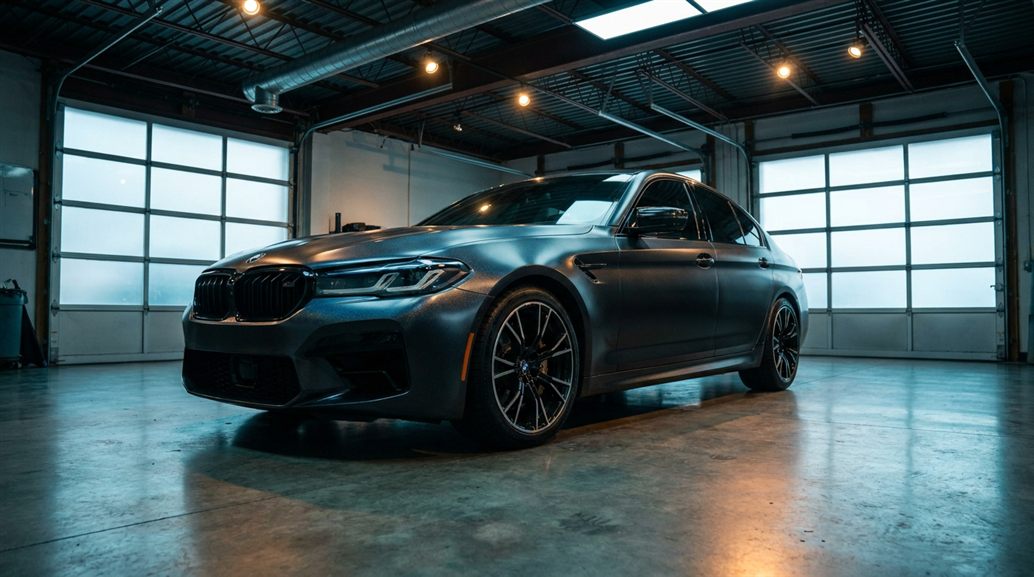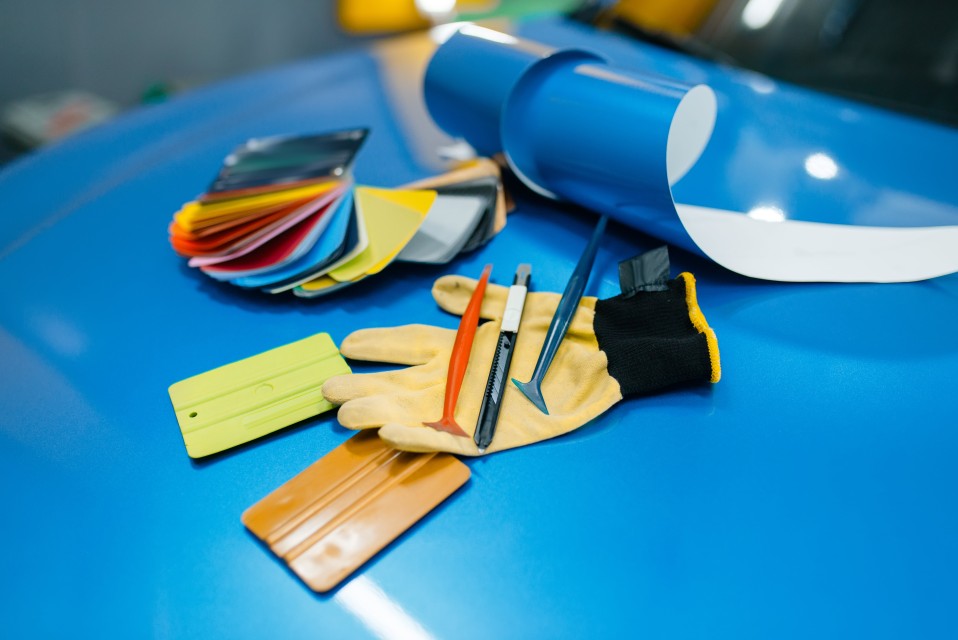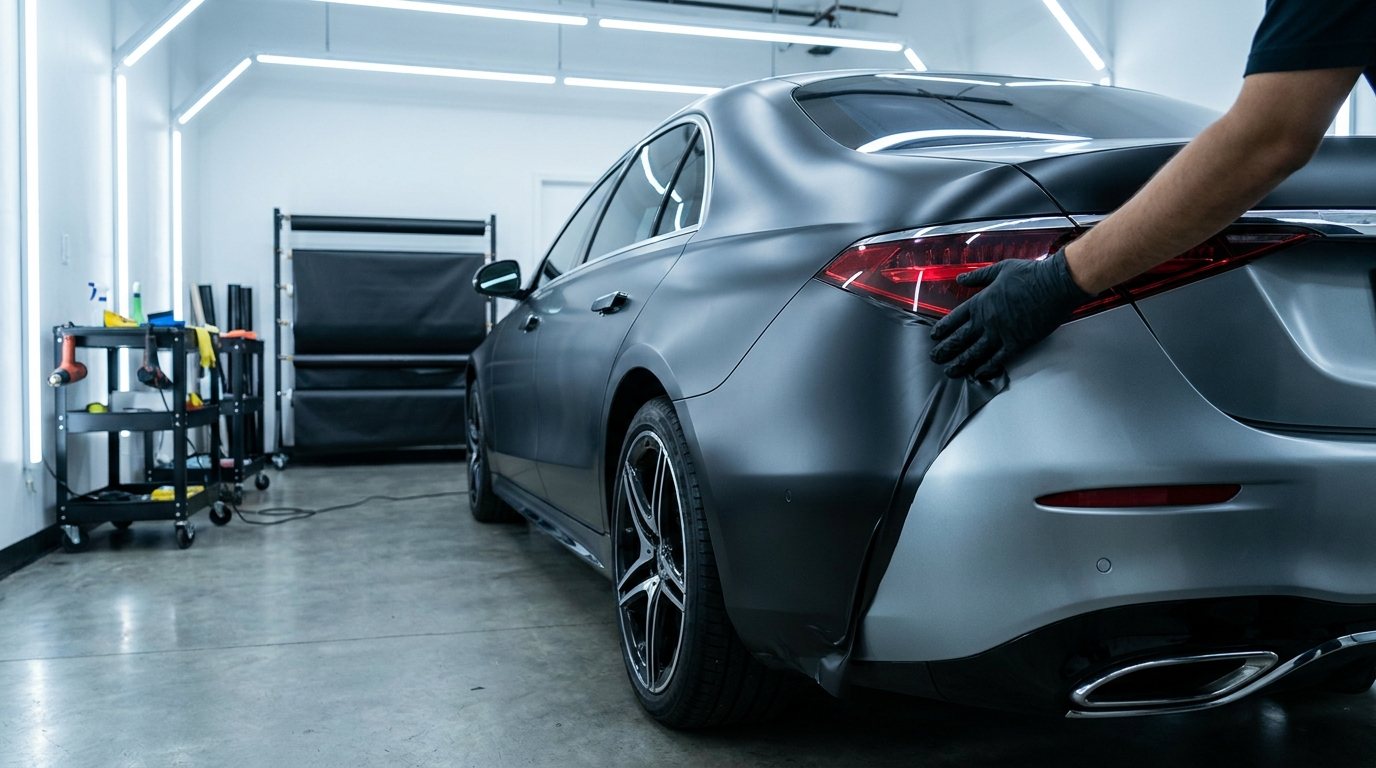
Most people leasing a car don't realize they can wrap it. They assume the lease forbids modifications. In almost every case, you can wrap a leased car without breaching the lease, as long as you do it right. Here's the honest version of how, including what to actually check in the contract.
The short answer
Yes. A vinyl wrap (a removable printed film over the factory paint) is reversible. When the lease ends, the wrap comes off and the car returns the leasing company in factory condition. Quality vinyl, properly installed, doesn't damage the paint underneath.
Most modern lease contracts in North America and Europe permit this implicitly because they restrict “permanent alterations” or “modifications that affect resale value.” A removable wrap is neither.
The honest caveat: if the wrap is installed poorly, removed poorly, or left on past the vinyl's lifespan, it can damage paint, and at lease return, that damage is on you.
Wraps on leased cars are normal. The whole story is in how the wrap gets installed and removed.
What to check in the lease
Three sections of your contract matter. Pull the document and read them.
The “permitted modifications” clause
Most leases have a paragraph addressing modifications. It usually distinguishes between “permanent” and “temporary” changes. Vinyl wraps almost always fall into the temporary bucket. If the clause specifically prohibits aftermarket coatings or films, that's the rare exception, ask the dealer for clarification.
The “return condition” clause
The lease specifies what condition the car has to be returned in. Usually some version of “normal wear and tear, factory finish.” Translation: when you return it, the paint should look like factory, not like a wrapped car.
The “reasonable use” clause
Some leases have language about not impairing the vehicle's value. A wrap that protects the paint underneath actively preserves value. A wrap that damages paint reduces it.
If you read all three and you're still uncertain, email the leasing company. A short email asking “may I install a removable vinyl wrap, with the understanding that it'll be professionally removed before lease return?” is usually answered with yes.
The lease language is usually friendlier than people assume. Read it before assuming the worst.
How to do it right
Use premium cast vinyl
The vinyl matters. Premium cast films from 3M, Avery Dennison, KPMF, Inozetek, or Hexis (the major brands) are designed for full-vehicle wraps and remove cleanly within their warranty period. Cheap calendered vinyl is the wrong choice for any wrap, especially a leased car.
The brand of vinyl should be in writing on your quote. Cheap films that leave adhesive residue when removed are how leases turn into bills.
Pick a quality shop
Bad installs damage paint. The vinyl might be premium, but if it's stretched too thin around a body line, or installed over contaminated paint, removal years later can lift clear coat.
See the cost breakdown for what a quality install costs. Don't cheap out on a leased car specifically; the downstream lease-return cost of a bad install is much higher than the savings on a budget shop.
Don't leave the wrap on past warranty
Cast vinyl is warranted for 5-7 years on factory paint. Leases run 2-4 years. As long as the wrap comes off before the warranty expires, removal is clean. Wrap a car for the duration of the lease, plan removal at lease end, you're fine.
Leaving vinyl on for 8+ years risks UV-baked adhesive, brittle removal, and potential paint damage. Not relevant for typical lease timelines.
Premium film, premium install, removed within the warranty window. All three matter.
The removal step
Six to eight weeks before lease return, schedule the wrap removal. The same shop that installed it can usually do it; if not, any reputable wrap shop will.
What removal involves:
- Heat application to soften the vinyl and adhesive (heat gun or steamer)
- Slow peel at a low angle (vinyl coming off too fast tears the topcoat)
- Adhesive residue removal with a citrus-based or wax-and-grease solvent
- Final wash and inspection
Cost: $500 to $1,500 for a full wrap removal on a normal car. Cheaper if the wrap is premium and was on for a short period; more expensive on cheap vinyl that's been on too long.
The shop should photo-document the paint condition before and after. Keep those photos in case of any dispute at lease return.
What to budget
A leased-car wrap project, end to end:
- Initial wrap: $3,500-7,500 for a full-vehicle quality install
- Removal at lease end: $500-1,500
- Total over 2-4 years of leasing: roughly $4,000-9,000
Compare against:
- Living with the lease's factory color: $0
- Painting the leased car (which you cannot do, the lease will not permit it): not an option
The wrap is the only way to drive a custom-finish leased car. For someone who values that look enough, it's the right spend.
A leased wrap is the rental version of customization. You pay for the experience, return the car factory, and the lease company is none the wiser.
The gotchas
Insurance
Some insurance policies don't automatically cover the vinyl in case of damage (a collision, a theft). The car is insured; the wrap is an aftermarket cosmetic. Call your insurer and ask whether the wrap is covered, and add a rider if needed. Usually $50-200/year extra.
Lease company aesthetics
Some lease return inspectors are pickier than others. If the inspector sees a vehicle that was clearly wrapped (subtle adhesive haze, polishing marks from cleanup), they may flag it for “non-standard wear,” even when the paint is fine.
The defense: have the wrap shop document removal photographically, and request a written statement of paint condition. Most disputes go away when you can show the lease company a photo of factory paint at removal time.
Color-restricted leases (rare)
A small number of premium leases (some certified-pre-owned programs, some manufacturer-specific high-end leases) restrict color modifications even reversible ones. These are rare. If you have one, the lease will say so explicitly.
What to do this week if you're considering it
- Pull your lease document. Read the modifications and return-condition clauses.
- If anything is unclear, email the leasing company. Get the answer in writing.
- Get quotes from 2-3 reputable shops. Confirm they use premium cast vinyl in writing.
- Ask each shop about their removal process and what they document.
- Use a 3D visualizer at the consultation to confirm the finish on your specific car before signing.
If your shop offers 3D visualization, use it. Most do now. You'll know what the wrap will actually look like on your car before any money changes hands. Tools like Zeno are one of the common ones.
A leased wrap is reversible, common, and contract-permitted in almost every case. The only real risk is doing it cheaply.